
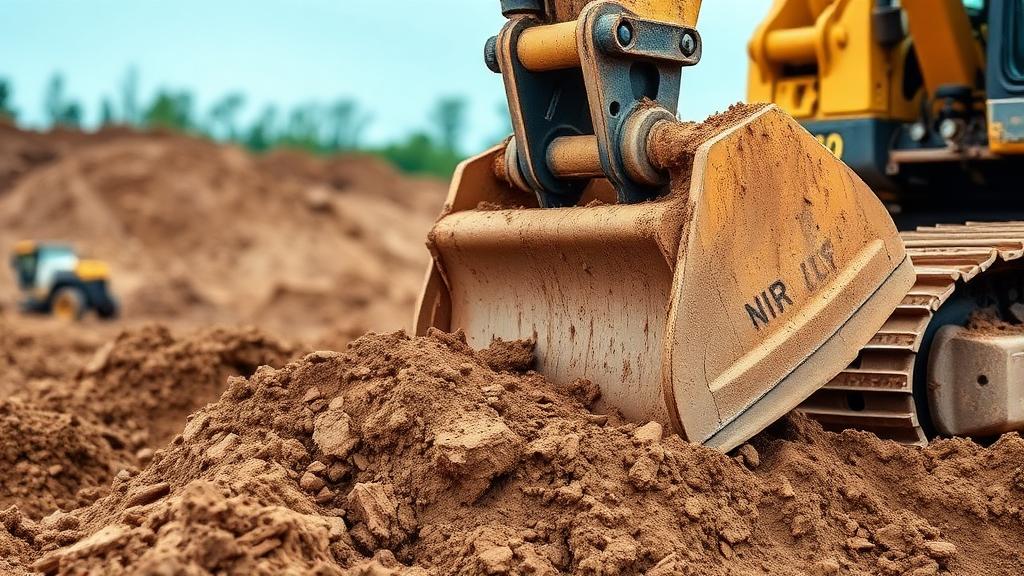
The Most Common Excavation Issues in Indiana Clay Soil (and How Pros Fix Them)
Learn about Indiana's challenging clay soil and how professional excavators overcome common problems.
If you've ever tried to dig in Indiana soil, you know the challenge: dense, sticky clay that seems impossible to work with. Indiana's clay-heavy soil presents unique excavation challenges that can derail construction projects if not handled properly.
Understanding Indiana's Clay Soil
Much of Central and Southern Indiana sits on heavy clay soil formed by ancient glacial deposits. This soil type has high plasticity, meaning it expands when wet and contracts when dry, creating significant challenges for excavation and construction.
Common Excavation Problems in Clay Soil
1. Poor Drainage and Water Accumulation
Clay soil has extremely low permeability, meaning water doesn't drain through it easily. During excavation, water pools in the bottom of trenches and foundation holes, creating muddy, unstable conditions.
How professionals fix it: We install temporary drainage systems, use sump pumps to remove standing water, and often add layers of gravel or sand to improve drainage before backfilling.
2. Trench Collapse and Wall Stability
Wet clay becomes heavy and unstable. When saturated, excavated walls can collapse suddenly, posing serious safety risks and requiring re-excavation.
How professionals fix it: We use proper shoring and sloping techniques, never cutting vertical walls deeper than code allows. In wet conditions, we implement trench boxes or sheet piling for safety.
3. Equipment Getting Stuck
Wet clay soil becomes incredibly sticky and slippery. Heavy equipment can easily get bogged down, wasting time and money while you wait for extraction.
How professionals fix it: Experienced operators know when conditions are too wet to work safely. We also create stable access paths using timber mats or crushed stone, and schedule work during drier periods when possible.
4. Over-Excavation and Soft Spots
Clay soil often has inconsistent density. Some areas may be firm while others are surprisingly soft, leading to over-excavation and the need for additional fill material.
How professionals fix it: We test soil bearing capacity before excavation and have engineered fill material on standby. When soft spots are discovered, we remove unstable soil and replace it with properly compacted structural fill.
5. Difficult Compaction
Clay soil must be at the right moisture content for proper compaction. Too wet or too dry, and it won't compact properly, leading to future settlement issues.
How professionals fix it: We test soil moisture content and adjust it as needed before compaction. This might mean aerating wet clay or adding water to dry clay. We use proper compaction equipment and verify density with testing.
Why Experience Matters with Clay Soil
Indiana clay soil isn't just difficult—it requires specific knowledge and techniques. A professional excavation contractor who understands local soil conditions can:
- Anticipate problems before they occur
- Schedule work during optimal weather conditions
- Have the right equipment and materials on hand
- Ensure proper drainage and long-term stability
- Meet code requirements for safety and structural integrity
When to Call a Professional
If your excavation project involves any of the following, you should definitely hire an experienced professional:
- Foundation excavation or basement digging
- Trenching deeper than 4 feet
- Sites with visible water issues or wet soil
- Projects requiring compacted fill
- Work near existing structures or utilities
Need Excavation Help in Indiana Clay Soil?
Mann Hauling & Excavation has years of experience working with Indiana's challenging clay soil. We provide professional excavation services throughout Hendricks County. We know how to handle drainage issues, ensure stability, and get your project done right the first time.
Serving Danville, Avon, Mooresville, Plainfield, and Indianapolis