
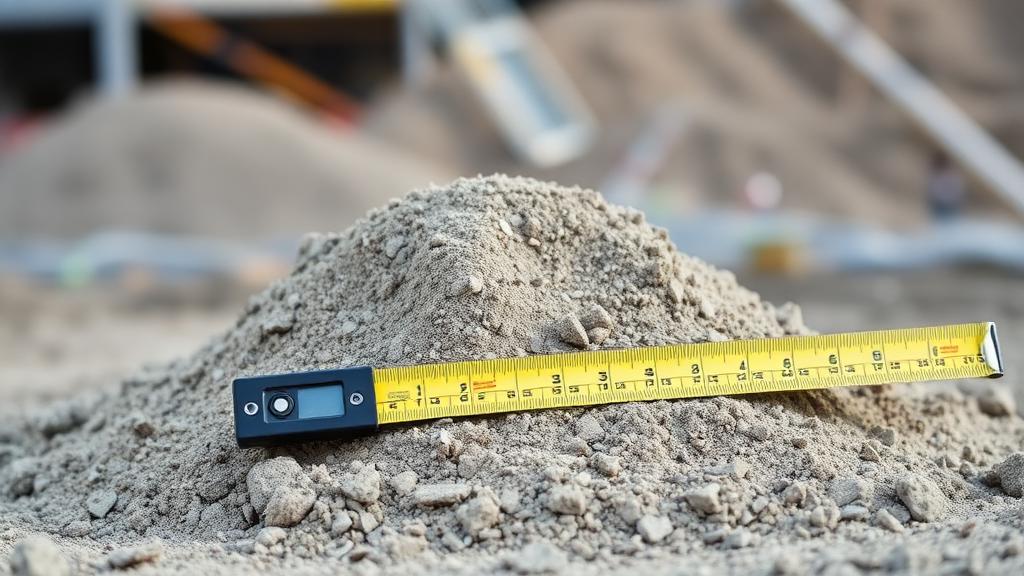
How Much Dirt Is in a Cubic Yard? Indiana Homeowner's Guide to Ordering the Right Amount
Master the math of ordering fill dirt, topsoil, and other materials with this practical guide.
You need fill dirt for your yard, but how much should you order? Understanding cubic yards—the standard unit for bulk materials—will save you money and prevent the headache of ordering too little or too much.
What Exactly Is a Cubic Yard?
A cubic yard is a volume measurement: a cube that measures 3 feet long × 3 feet wide × 3 feet tall.
- 1 cubic yard = 27 cubic feet (3 × 3 × 3)
- It's roughly the size of a standard washing machine
- A full-size pickup truck bed holds about 2 cubic yards (not heaping)
How to Calculate Cubic Yards for Your Project
Step 1: Measure Your Area
Measure the length, width, and depth of the area you want to fill. Use feet for all measurements.
Step 2: Calculate Cubic Feet
Multiply: Length (ft) × Width (ft) × Depth (ft) = Cubic Feet
Step 3: Convert to Cubic Yards
Divide your cubic feet by 27 to get cubic yards: Cubic Feet ÷ 27 = Cubic Yards
Example Calculation
Project: Fill a low spot in your yard
Measurements: 20 feet long × 10 feet wide × 1 foot deep
Step 1: 20 × 10 × 1 = 200 cubic feet
Step 2: 200 ÷ 27 = 7.4 cubic yards
You should order about 8 cubic yards of fill dirt
Quick Reference Guide: Common Projects
Filling a Low Spot (20' × 10' × 1' deep)
About 8 cubic yards
Topdressing a Lawn (1,000 sq ft × 2" deep)
About 6 cubic yards
Garden Bed Fill (30' × 4' × 1.5' deep)
About 7 cubic yards
Driveway Base (50' × 12' × 4" deep)
About 8 cubic yards
Pro Tips for Ordering Materials
1. Always Round Up
It's better to have a little extra than to run short. Having another delivery scheduled costs more in time and delivery fees than ordering an extra cubic yard upfront.
2. Account for Settling
Loose fill dirt and topsoil will settle by 10-20% after delivery. Order extra to compensate, especially for areas that need to be level.
3. Consider Access
Make sure delivery trucks can access your site. Standard dump trucks need at least 10 feet of clearance width and 14 feet of height clearance.
4. Prepare Your Delivery Area
Have a flat, accessible spot ready for the material to be dumped. Avoid having it dropped on grass if you want to preserve the lawn underneath.
Different Materials, Different Volumes
While cubic yards measure volume, different materials have different weights and coverage:
- Fill Dirt: Good for filling holes and building up low areas
- Topsoil: Richer soil for gardens and lawns, typically more expensive
- Mulch: Lighter material, covers more area per cubic yard
- Gravel/Stone: Heavier, used for drainage and driveways
When to Call for Help
Unsure how much material you need? A professional hauling company can visit your site, take measurements, and recommend the right amount. This service is usually free with your order and ensures you get exactly what you need.
Need the dirt moved, spread, or graded?
Ordering the right cubic yardage is step one. Step two is getting it placed. We deliver fill dirt and topsoil and bring the skid steer with operator to spread and grade it the same day.
Need Help Calculating Your Material Needs?
Mann Hauling offers free site consultations. We'll measure your project, recommend the right materials, and deliver the exact amount you need. Browse our dirt and topsoil delivery services or explore our full Hendricks County service area.
Serving Danville, Avon, Plainfield, Brownsburg, and Indianapolis